A marketing plan sounds like something only big companies with dedicated teams and a conference room whiteboard need. It's not. Whether you're running a small business, managing marketing solo, or trying to get everyone on the same page, having a plan keeps you from throwing money at tactics that don't connect to anything.
I built an eCommerce site from the ground up with no prior industry knowledge and had it live and selling within six months. That didn't happen by winging it: it happened because there was a plan behind every decision.
This post walks through what a marketing plan actually is, why it matters, and how to build one. The outline at the end gives you a framework you can use right now.
What Is a Marketing Strategy?
A marketing strategy is the "why" behind everything you do. It's the decisions you make about who you're targeting, what you're saying, and where you're showing up. Tactics come after. If you skip the strategy and go straight to tactics, you end up busy without a direction.
A marketing plan is the document that connects your strategy to your execution. It outlines your goals, your budget, your tactics, and your timeline: everything in one place so nothing gets missed and nothing gets spent without a reason.
It should be specific to your business, not a generic template you fill in once and shelve. Plan to revisit it regularly. Markets change, budgets shift, and what worked last year might not be the right move this year.
Why Your Business Needs a Marketing Plan
Without one, you're guessing. You might be doing a lot of things, but if they're not connected to a goal, it's hard to know what's working or where to spend next.
A marketing plan gives you a clear picture of where you are, where you're going, and what it's going to take to get there. It keeps your budget accountable, your efforts focused, and your team (even if that team is just you) on the same page.
It also helps after the initial push. A lot of businesses put effort into launching a campaign and then drop it. A plan builds in the follow-up so the work doesn't stop when the excitement does.
What Is a Top-Down Marketing Strategy?
Top-down starts with leadership. The company sets the goals, the messaging, and the overall direction: then the marketing team builds campaigns around it. Common in larger organizations where brand consistency matters across multiple teams or locations.
What Is a Bottom-Up Marketing Strategy?
Bottom-up flips it. The marketing or sales team drives the ideas based on what they're seeing in the field: customer conversations, support tickets, search trends. It tends to be more responsive and works well for smaller teams that are close to the customer.
What Is an Integrated Marketing Strategy?
Integrated marketing means your channels are working together instead of in silos. The same message, adapted for each platform: email, social, paid, and your website are all saying the same thing at the same time. A product launch is a good example: you're not running four disconnected campaigns, you're running one campaign across four channels.
Marketing Plan Outline
Here's a framework you can use as a starting point. Adjust it to fit your business size, goals, and budget. Not every section will apply the same way, but all of them are worth thinking through.
Executive Summary
Write this last, even though it lives first.
It's a snapshot of your entire plan and if someone only reads this section, they should walk away understanding what your business is trying to do and why.
A marketing executive summary includes
a description of the company,
its products or services,
its target market,
how it plans to reach that market.
Mission statement
Include a brief look at your competition and what sets you apart. One paragraph is enough.
Situation Analysis: Where Does The Company Stand Right Now
Before you set goals, you need an honest look at where things are. That means your strengths, your weaknesses, what's working in the market, and what's working against you. A SWOT analysis is a good starting point.
Some questions worth answering here:
Who is your target customer?
Who are your main competitors?
How do you compare on price, product, and visibility?
What does your current marketing look like and is it working?
What is your marketing philosophy?
Create a buyer persona
This section is the foundation. Skipping it means your goals are guesses.
Goals and Objectives: What Do You Want To Achieve?
This is where you get specific. Goals without numbers are just wishes. A short-term goal might be increasing web traffic by 20% in the next three months. A long-term goal might be growing market share over the next two years. Objectives are the specific steps that get you there.
Keep them realistic. A goal to grow sales by 50% when you're starting from zero isn't a goal, it's a hope.
Some questions to work through:
What specific marketing activities do you want to accomplish?
What results are you expecting from this plan?
How will you measure success?
Strategies and Tactics: How Will the Business Get There?
Strategy is the direction. Tactics are how you execute it. Once you know your goals, you can figure out which channels and activities make the most sense to reach them. Not every business needs every channel: pick the ones that match your audience and your capacity.
I've run SEO, PPC, content, email, Google Merchant Center, and print campaigns at the same time for the same business. The lesson wasn't to do everything, it was knowing which combination was worth the time and budget for that specific business.
Some common tactics to consider:
Social media marketing
Email marketing
Search engine marketing (SEO and PPC)
Content marketing
Paid advertising
Print and digital marketing materials
Referral and loyalty programs
Product launches
Advertising and promotion calendars
Start with what you can actually manage and build from there.
Budget: How Much Money Will The Business Need to Implement The Marketing Plan?
You don't need a big budget to have a good marketing plan, but you do need to know what you're working with. Being realistic here saves you from committing to tactics you can't actually fund.
Tools are a good example. There are expensive options for everything in marketing. But cost-effective alternatives exist if you look for them. SpyFu covers a lot of the same competitive research ground as pricier tools like SEMrush or Ahrefs at a fraction of the cost. Budget decisions like that add up.
Factor in the expected costs but also leave room for the unexpected: a freelancer you need to bring in, an ad campaign that comes up last minute but makes sense to run.
Some questions to work through:
How much are you allocating to each marketing channel?
What does a digital campaign cost versus a direct mail campaign?
What are you willing to spend on advertising?
What are you willing to spend on research and tools?
Marketing Plan Timeline
A timeline keeps everything from living in a document that no one looks at after the first meeting. It assigns ownership, sets deadlines, and tells you when to expect results.
Some questions to work through:
Who is responsible for each step?
When does the campaign start and end?
How long will each step take?
When should you expect to see results?
Consider building out an editorial calendar alongside this
Review, Test, and Optimize
A marketing plan is only useful if you actually revisit it. Once you launch, check in on what's working and what isn't. If a goal wasn't met, figure out why before you just do more of the same thing.
I used Google Analytics, Search Console, and heatmap and recording tools like HotJar and Microsoft Clarity to make real decisions: not just to pull reports, but to actually change what we were doing based on what the data showed. Optimization isn't a concept, it's a habit.
Make changes, then review again. Marketing is a cycle, not a checklist.
Conclusion
A/B testing is where marketing and conversion rate optimization overlap—once you’re measuring traffic, the natural next step is improving what you do with it.
A marketing plan doesn't have to be a 40-page document. It just needs to be specific enough to keep you focused and flexible enough to adjust when things change.
Everything in this post comes from actually building and running marketing plans, not from a textbook. The outline above is the same framework I've worked from. What you put in it is what makes it work for your business.
Start with where you are, get clear on where you want to go, and build from there.
Before You Build a Marketing Strategy, Answer These Four Questions
Most businesses don't have a marketing strategy. They have a list of things they've tried or want to do.
They ran Facebook ads for a few months. They hired someone to post on Instagram. They redid the website. Some of it worked an some of it didn't. And when you ask why it didn't work, the answer usually starts with "Google ads didn't work, social media doesn't work..."
Those weren't strategies, they were tactics.
That's the strategy problem. And it's fixable.
Strategy vs. Tactics: What's the Difference?
A strategy is the plan and tactics are how you carry the plan out.
Advertising, email marketing, and social media work when they're built on a strategy: the right audience, the right message, a clear goal. Without that foundation, you're paying for clicks that go nowhere.
Strategy first. Tactics second. In that order.
Start Here
Before you pick a channel, hire anyone, or spend o marketing, answer these three questions.
Question 1: Where do you want to go?
What does success look like 12 months from now? Be specific. "More business" is not a goal you can build toward.
A landscaping business with three full-time and two part-time employees might answer: get to $1.2M in revenue so we can bring both part-time employees on full-time. That's specific. That's something you can build a marketing strategy around.
Question 2: Where are you now?
What is your current marketing actually doing? What's driving leads today?
That same landscaping business might say: we have a website and most new customers come from referrals. That tells you the website isn't generating leads on its own and word of mouth is carrying the business. Both things matter for what comes next.
Question 3: What have you tried before?
This one gets skipped constantly. Previous attempts, even failed ones, tell you something about your market and your capacity.
The landscaping business tried mailers to neighborhoods a few years ago and had an office admin handling social media at one point. Did the mailers work? Did social media move the needle? If you don't know why something stopped, you'll end up running the same experiment twice.
Question 4: Who is actually buying from you?
Not who you sell to. Who is most likely to buy, come back, and refer others?
The landscaping business looks at their customer list and sees mostly higher-end residential homeowners and a handful of commercial accounts. That's the target. Not every homeowner in a 20-mile radius. The ones most likely to spend, stay, and refer someone else.
Those four answers are your foundation. Everything else: channels, content, budget, who does the work, comes from there.
This will open in another tab where you can save it and print it for your use.
Your Best Customer Is Already A Customer
Most small business owners will say they sell to everyone. The landscaping business we walked through earlier serves higher-end residential homeowners and a handful of commercial accounts. Both are customers. But they are not the same customer.
The residential homeowner calls once a season, sometimes haggles on price, and might not come back if a neighbor recommends someone cheaper. The commercial account is on a retainer. They show up on the schedule every time. The scope is defined, the work is consistent, and the customer service is straightforward.
When you look at revenue, time spent, and overhead side by side, the commercial account wins. That's the best customer. And they're already buying.
That's who your marketing should speak to. Not because you'll turn residential customers away, but because marketing that tries to reach everyone ends up reaching no one. If you want more commercial accounts, your marketing needs to talk to commercial accounts.
Look at your last 12 months. Which customers came back? Which ones were easiest to work with? Which ones brought in the most revenue without the most effort? That's your target, and they're already in your customer list.
What This Looks Like in Practice
When I was hired at Atlanta Rubber and Hydraulics, the directive from the owner was "Build us a website so customers can buy online."
The goal was simple. I was left to lay out the marketing strategy and execution from there.
Where did they want to go: online sales for commercial accounts who could order 24 hours a day in addition to phone and counter sales Where were they now: ground zero with a work-in-progress eCommerce website What had they tried: direct mail flyers and catalogs, email, and trade shows Who was buying: industrial and commercial businesses that needed hoses, fittings, and hydraulic parts across agriculture, fabrication shops, wastewater, heavy machinery, and other verticals
The best existing customer was already using the internet and would rather place an order online than pick up a phone.
That customer existed across every vertical they served. The strategy was built around making it easy for them to find the site and complete an order without having to call.
That clarity shaped every decision from there. The product catalog was built around the buyers most likely to order online. Years later, that operation had generated $500,000 annually in eCommerce sales.
The strategy wasn't complicated. It started with knowing where we were going.
Go Deeper
These posts cover the channels and tactics that matter most for small and mid-size businesses:
Dahlonega is home to the Dahlonega Plateau and in 2018 it was recognized as a viticultural area. That's a fancy way of saying the soil, sunlight, and climate there are uniquely suited to growing grapes. Not every region can claim that.
The Dahlonega Wineries
Etowah Meadery
The Etowah Meadery brings something different to Dahlonega. Meads are honey-based wines made with fruits and spices: theirs pull from sources across China, Europe, and Africa. The flavors carry Southern Georgia names like De Sotos Quest, Picking Up Paw Paws, and Georgia Standard. They're veteran owned, and sales from their Coop Dreams mead support disabled veterans.
This winery does not fall into the new category but their wines are just as delicious. This is a family ran business that sources fruits from Georgia, California, Texas and other locations which creates it's complex flavors.
Accent Cellars offers wine tastings 7 days a week and have live music Friday evenings and Saturday afternoons. What is unique about this winery, is they explicitly state to bring your picnic and enjoy their wine, (on their website) while other places frown upon the practice.
Frogtown grows 25 different grape varieties and has the awards to back it up: 2 Platinum, 36 Gold, 82 Silver, and 92 Bronze since 2010. They follow French and Italian winemaking standards, which are strict by design and help wine drinkers identify terroir-based wines. Dining is on site too: lunch, dinner, and Sunday brunch at their Italian Bistro. Pizza dough, pasta, desserts, and all the meats are made or smoked on site except for Italian imports. Grab a glass, a charcuterie board, and find a spot on the porch. The mountain views do the rest.
Kaya Vineyard was renamed from the original Blackstock Vineyards. Along with wines, serving as a retreat and wedding venue, they have craftsman style cottages to relax a weekend away in.
They offer a light lunch menu from Tuesdays to Sundays with live music on the covered patio. Offerings include simple artisanal charcuterie boards to hand-helds and plates.
This winery was the first in the region. All their fruit is Georgia grown with most on their 184 acres. The property was purchased in 1995 with the first harvest in 2000 and named after Three Sisters Mountain.
When you arrive inside, you will be greeted with their large cherry wood tasting room. On Summer Saturdays, they have live music. If weather permits, enjoy a glass on their rock wall patio.
Wolf Mountain uses French winemaking processes and European grape varieties, which sets it apart from most of the other Dahlonega wineries. The wines taste different and the setting matches: a craftsman cottage sitting on top of a fieldstone cellar. It feels less like North Georgia and more like somewhere you'd need a passport to get to.
Their menu is farm focused and built to pair with what's in the glass. Everything is made on site and the menu changes with the seasons. Worth planning ahead for.
Offers tastings 7 days a week. Cavendar Creek Vineyards was started when the original owner hand planted the original grape vines and produced the first vintage in 2009.
A mainstay and mascot on the property are the donkeys, so much so that they are affectionately knows as "the winery with the donkeys".
They offer lodging, but it is limited to two cabins. One of them being 200 years old.
They offer wine tastings and represent Georgia's oldest winery Georgia Winery located near Ringold, GA. They offer wine and pub tours along with ghost and history tours.
19 E. Main Street, Suite F, Dahlonega, GA 30533
CANVAS AND CORK, WINE TASTING, ART GALLERY, ARTISTS STUDIOS AND CLASSROOM
Their wine selection is from Gin Creek Vineyards in Hartsfield GA and is a satellite tasting room.
Sixteen wines to choose from: fine wines, muscadines, dessert wines, Moscato, dry, off-dry, semi-sweet, and sweet. Tastings start at $12 for five pours or $20 for five pours plus a hand-painted wine glass you take home. Canvas and Cork is also part of the Dahlonega Wine Walk, painting classes run year-round, and summer classes are available for kids.
If you want to balance out the wine trail with some time outdoors, there are 12 waterfalls within 25 miles of downtown Dahlonega. Here is the full list with trail details.
The careful approach to tasting wine and deciding what is worth recommending is not unlike running a marketing audit. If your business could use that kind of attention, here is how I work.
North Georgia has over 100 waterfalls, and a good chunk of them are within 25 miles of Dahlonega. These are the ones on public land that you can actually get to. A heads up: mountain roads make everything take longer than the map suggests, and water levels make a real difference in what you see when you get there.
If you are planning a trip out here, waterfalls are just one part of the plan. I covered the full picture in things to do in Dahlonega, Georgia.
Cane Creek Falls
Cane Creek Falls is 2.9 miles from Dahlonega Square and is located on private property at Camp Glisson, but is open to the public only when the camp is not in session. At the entrance gate, there are signs that tell the public when it is closed.
Cane Creek Falls eventually falls in to the Chestatee River, which provides a good outing for kayaking, tubing or canoeing. This waterfall has a viewing platform at the top.
Clay Creek Falls is located on private property 2.9 miles away, but is viewable from the road.
There is not a place to park to observe the falls on foot, but it is very close to the road and well worth a drive by to see it, especially when the water is at higher levels.
Black Falls
Black Falls sits inside Camp Frank D. Merrill, an active Army Ranger training facility. It's one of the taller falls in this guide, but access depends on the day. If the gate is open, you can go in and take a look. If it's not: don't sneak onto the property. A wooden gate across the creek makes for a good photo if you do get in.
Montgomery Creek Falls
Montgomery Creek Falls is an isolated fall located in the Chattahoochee National Forest. There are mountain bike trails nearby, so be on the lookout. It is about half a mile to get there on an old logging road. It is just over 11 miles from Dahlonega.
Dicks Creek Falls
16 miles from Dahlonega Square, Dicks Creek Falls is really a couple of waterfalls located on Dicks Creek in the Chattahoochee National Forest.
It is is a very popular swimming hole for the locals and also provides a photo opportunity while taking a break. The hike is almost 1.25 miles round trip.
DeSoto Falls
18 miles from Dahlonega, DeSoto Falls consists of an upper falls and lower falls. The upper falls is a .75 mile hike up the creek with the lower falls .25 mile downstream. The total drop of all the falls is 480 feet.
Camping is also available and there is a restroom.
Long Creek Falls
At 50 feet tall, Long Creek Falls is another waterfall with a large pool at the bottom that is used as a swimming hole. The trail to Long Creek Falls is almost 2 miles round trip on the Appalachian Trail and Benton MacKaye Trail offers a scenic view.
Helton Creek Falls
Helton Creek Falls has one of the most spectacular falls and is 25 miles from Dahlonega and is also close to Blairsville, GA. Like many others, it is a double waterfall. Helton Creek Falls has an observation deck between the upper and lower falls.
The trail itself is less than a quarter of a mile to get there. Unfortunately as of May 2022, this trail is closed due to needed repairs.
Dukes Creek Falls
From the parking lot the 1.25 mile trail goes town to observation deck at the foot of the 150 foot waterfall. There is an observation deck that is wheelchair accessible and has parking available for 30 vehicles. It is about 24 miles from Dahlonega.
This area has a stunning view of Mt. Yonah, which is a popular mountain for hiking and climbing. Sometimes the Army Rangers can be seen here during their training.
Raven Cliff Falls
Raven Cliff Falls is one of the most popular hikes in the area. It's in the Chattahoochee National Forest but is not on the Appalachian Trail. The trail to the falls is 2.5 miles one way from the parking lot. Raven Cliff Falls is a triple fall totaling 100 feet. The trail does have water crossings.
It is about 25 miles from Dahlonega, GA, but is well worth the drive for a longer hike. Other cities nearby are Helen, GA and Blairsville, GA.
Amicalola Falls, GA
Amicalola Falls is the highest waterfall east of the Mississippi River at 729 feet high and is roughly 19 miles from Dahlonega. There is an entrance fee and the Appalachian trail starts here.
You can park at the bottom for a view up the falls or you can drive to the top of the falls to get a good view of the park. There is a new viewing deck that can be reached by driving to the middle of the falls. Along the falls, there is a metal staircase that goes from the bottom to the top of the falls. Many also choose to hike from the bottom as well.
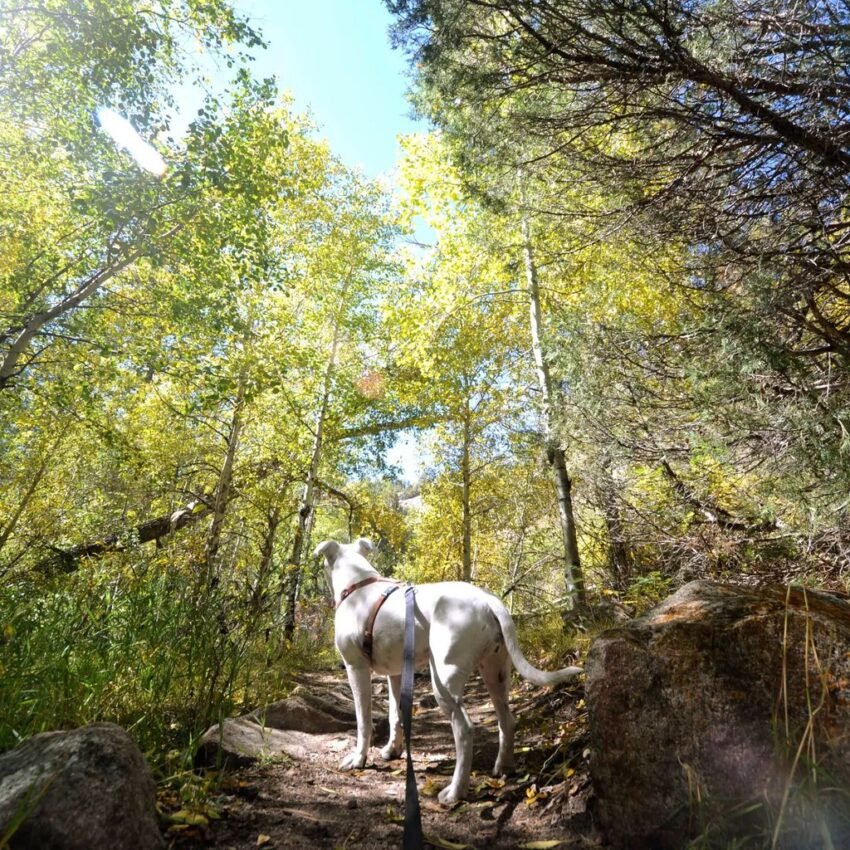
Out of these waterfalls, I have only been to one, but many times - Amicalola Falls. If you choose to take the stairs, do know that there are many stairs. 604stairs to be exact. If you bring your dog, be aware that they are metal. If I would take mine, I would make sure to bring his shoes.
I plan itineraries the same way I approach marketing campaigns: research everything, rank the options, have a contingency. If you want that kind of attention applied to your business, here is what I do.
Several of these falls are accessible on dog-friendly trails. For trail-specific details on leash rules and conditions, see the full guide to dog-friendly hiking trails in Georgia.
Nestled in the foothills of the Appalachian Mountains, Dahlonega, Georgia has plenty to offer any visitor. It's just a little over an hour from Atlanta, Georgia in the Northeastern area of Georgia. Spend a day at one of its local vineyards, go gold panning at its historic mine, or spend some time hiking in the surrounding countryside. There's plenty to see and do in this beautiful town!
Gold Panning
Dahlonega Georgia is the home to the first gold rush of the USA, that started in 1828. When the gold rush hit in California 20 years later, many left to seek there fortunes in the west.
Every year they have a gold rush festival in downtown Dahlonega. I went there in the Fall of 2021 by chance.
Gold panning is a fun activity for all ages and it is a great way to learn about the history of gold mining. There are several places to pan for gold in Dahlonega.
Consolidated Gold Mine
The Consolidated Gold Mine is my personal favorite. Here they have underground tours, gem mining, gold panning, and a gem studio along with offering group tours. For a family, it's an easy afternoon of family fun.
The consolidated mines are located at: 185 Consolidated Gold Mine Road Dahlonega, GA 30533
If you want to rent equipment and try your hand at finding some gold yourself, this is an excellent place to do so! The process isn't complicated at all and most people find that they enjoy it more than they thought they would.
Wine Tasting
The winery scene in Dahlonega is on the upswing, with 12 wine tasting rooms and 8 wineries. There are plenty of places to explore what Georgia mountain town has to offer.
The history of wine in Dahlonega goes back over 200 years, when it was first planted in 1821 by German immigrants. Many of the wineries have received hundreds of rewards over the years.
If you're not up to traveling to the wineries yourself, try a winery tour that will leave you worry free.
If time is not on your side, there are many places to sample wines the one of the many Dahlonega tasting rooms.
Foods
There is a variety of cuisines within Dahlonega, GA.
Hiking to Nearby Waterfalls
While you're in Dahlonega, you can hike to nearby waterfalls. There are 12 easily accessible waterfalls within 25 mile radius of downtown Dahlonega.
If possible, bring: water, bug spray, sunscreen, sneakers or hiking boots (the latter being required if hiking up Burnt Mountain)
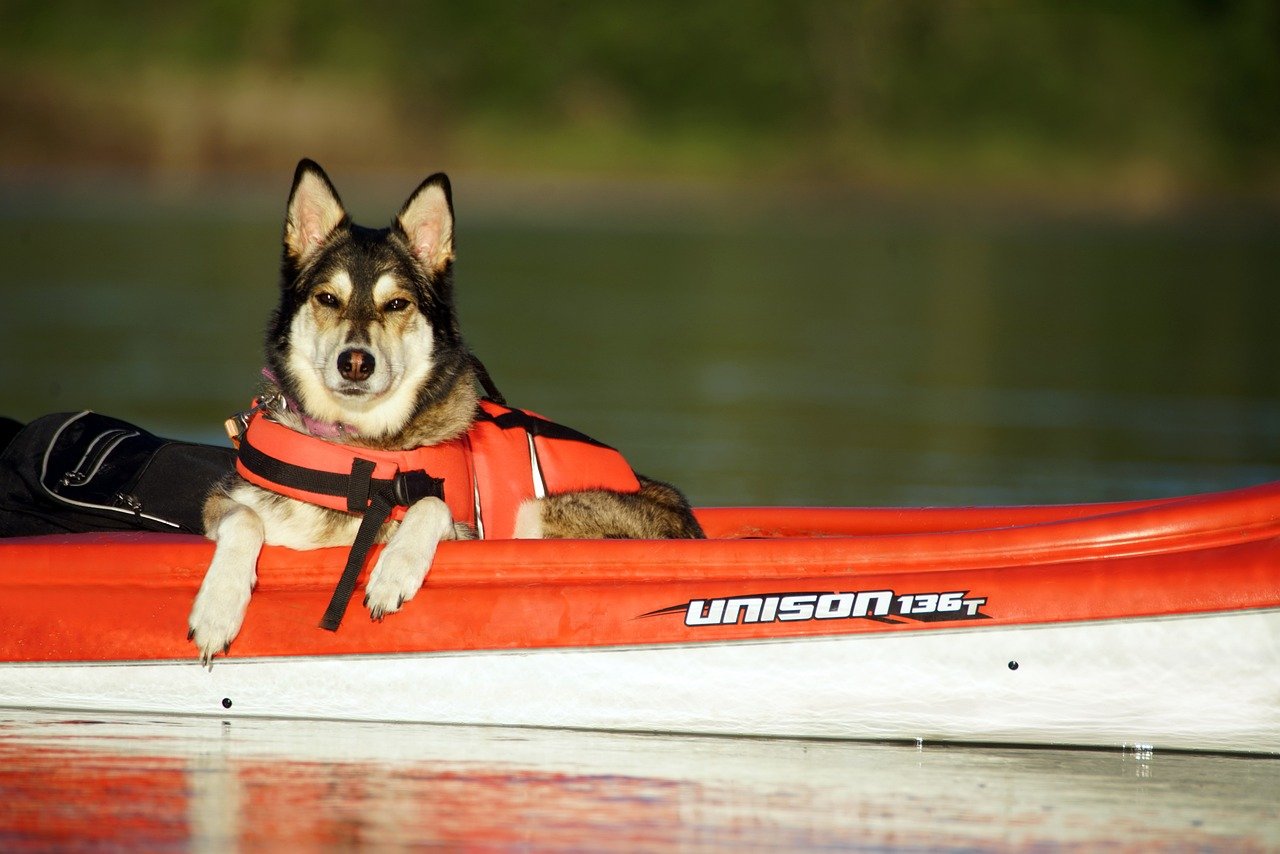
If you're looking for a way to get outside and enjoy the natural wonders of Dahlonega, Georgia, consider kayaking on the Chestatee River. It's about a 15-minute drive from downtown Dahlonega, GA. Once there, follow signs leading to put-in points. You'll need your own boat and gear; rentals are not available at this time.
Depending on how much experience you have with kayaking and what type of water conditions are present when you go out into the river, it'll take anywhere between 1 hour and 3 hours to complete your trip downriver (and back).
Because public parking is limited near put-ins points along Highway 400—and because they fill up quickly during warmer months when more people are enjoying themselves outdoors—it's best if everyone carpools together before setting out on their adventure!
Dahlonega is rich in adventure, culture and charm.
It is a great place to go for a weekend getaway, vacation or even just for day trip. There are many things to do in Dahlonega Georgia that will make your visit memorable.
Conclusion
You may need at least three days to enjoy the area, but if you have more time, then you can spend the extra day hiking to nearby waterfalls or kayaking down the Chestatee River.
Day trips like this are how I reset between projects. I work in digital marketing and eCommerce strategy. If you need that kind of focus applied to your business, take a look at what I do.
Cathy Gray is an eCommerce and digital marketing specialist based in Atlanta, GA, with nearly a decade of experience helping B2B businesses sell more online. Outside of work she's chasing waterfalls, kayaking rivers, and finding dark skies to camp under. Her dog Sam is officially retired from adventures but still supervises from the couch. None of it happens without coffee.