A Year of Living, Losing, and Finding My Way Back

A Year of Living, Losing, and Finding My Way Back

Over a year ago, I stepped away from a traditional full-time position. It’s not for everyone. And honestly, it wasn’t always easy.

This past year had more loss in it than I expected. I lost my grandmother and my aunt. I lost close friends, some of them unexpectedly. In May, someone ran a stop sign and I ended up in a car accident. Those were the moments that hit hardest. The ones I still sit with sometimes.

But life keeps moving. A cousin got married and it was a beautiful wedding: family together for something good instead of a life service. Some of my closest cousins made a point to actually do something together. I went horseback riding with my cousin Melissa, something we hadn’t done in a couple of years. And I worked on my grandmother’s house with another cousin. It hadn’t been touched in years. There was something right about that.

I made a promise to myself to get back to the things that remind me who I am outside of work.

I rediscovered adventuring. I’d gotten away from it, and that was a mistake: caving, camping, kayaking, traveling. I took a friend out kayaking who hadn’t been in years. A few months later, she was gone. I got my mom her own kayak and spent most of the trip towing her because she got tired. She also doesn’t know how to swim. That trip was something.

Last October I went on a weekend camping trip to get back into caving. In January I did a sporty cave: traversing, frog walking. IYKYK. The trip host asked beforehand if it was something I actually wanted to do. I’d only ever done horizontal caving. Nothing like this. I was scared going in. I did it anyway.

At home, I tackled projects that had been sitting too long: new flooring in the bathrooms, an updated closet that actually fits things now, some siding work, and 8 trees cut that were too close to the house. The list never fully ends. That’s just how houses work.

And Sam. I thought I was going to lose him when lumps appeared again and kept growing. They were removed and he bounced back. But he knows his limits now. He wants to chase the neighborhood cat. He just can’t anymore. He’s officially retired: campfire warmth, a full bowl, and all the attention he can get. Not a bad deal.

Through all of it, I kept my hand in work. A few project-based websites. A show promotion for a friend who needed it done last minute. I wouldn’t have done it for just anybody.

I don’t post much on here. I’m working on changing that. I have a lot to share. I’ve always been more of an introvert: speaking up comes naturally in a small, familiar group but not as much out here. Honestly, I just need to get over it.

If you’ve made it this far: I’m ready for what’s next. Open to the right opportunity, whether that’s a project, a contract, or a full-time role.

Let’s talk over coffee. ☕

Sam: The Adventure and Office Dog Who Earned His Retirement

Sam: The Adventure and Office Dog Who Earned His Retirement

Sam is a 16-year-old boxer I rescued when he was just over a year old. Do the math: that’s a lot of years, a lot of trails, and a lot of miles logged together with a long life for a Boxer breed. The average lifespan for a Boxer is 10 to 12 years, and Sam as surpassed that.

Sam turned 16 in Jan 2026.

Sam the Adventure

He used to be my adventure dog. Hiking, kayaking, camping: Sam was there for most of it. He never needed convincing. You’d grab the leash and he was already at the door.

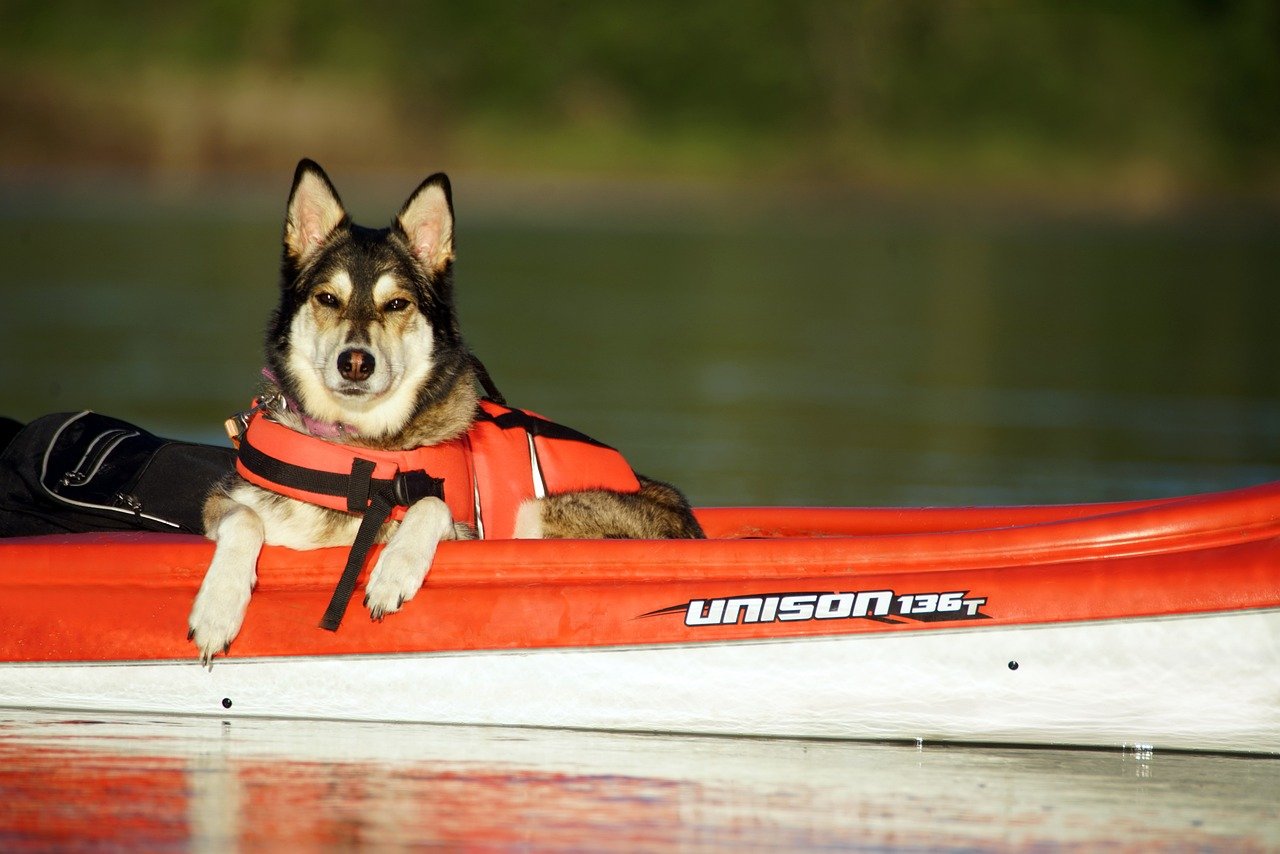
On the water, Sam had one move: find me, lay on me, and soak up the sun. Didn’t matter how cramped it got or how awkward the position. That was his spot and he knew it. I made it work because what else are you going to do.

Sam’s first kayaking trip.

He’s even been caving. Hidden River Cave in Kentucky is one of only two commercial caves in the United States that allows dogs. He was hesitant, but with convincing, he made it. There is a suspension bridge underground that he was unsure of. He’s never like suspension bridge or metal stairs, but he made it through. The darkness made it seem less dangerous.

That dog is still in there. But at 16, he’s made his priorities very clear.

Sam the Office Dog

For a stretch of time, Sam wasn’t just my adventure buddy: he was also my office dog. He had a bed under my desk, knew the routine, and made himself right at home. I didn’t bring him everyday, just when the owner was on vacation. He always had his two dogs and they didn’t get along with other dogs for the most part.

Most people were happy to see him. But his absolute favorite? A coworker I’ll call Negative Nancy.

Now, Negative Nancy was true to her name, about 99.9% negative and somehow managing to turn a compliment into a negative one. But Sam didn’t care about any of that. He cared about one thing and it was that she always had treats. As far as he was concerned, she was the best person in the building. Dogs have a way of cutting straight to what matters to them.

He’s also not here by accident. Sam has survived two surgeries. Both times, I wasn’t sure he was going to make it. Both times, he proved me wrong. That stubborn streak runs deep, and I’m grateful for every bit of it.

Sam after his second surgery. It was an emotional day for me and he’s asleep from all the attention.


Sam in Retirement

These days, Sam’s idea of a perfect day looks a little different. A warm spot in the sun. A full bowl. Someone nearby to give him the attention he absolutely knows he deserves. He’s traded the trail for the couch, and honestly, I can’t argue with him.

Boxers aren’t known for their long lifespans, so the fact that he’s still here: still stubborn, still food-motivated, still a beer away from losing his mind: is not lost on me. If there’s one within reach, it’s in danger. He has never once turned one down. Every slow morning walk is a good one.

He’s not the adventure buddy he used to be, and that’s okay. He put in the work. He’s earned this.

If you’ve ever had a dog who showed up for every season of your life, you know exactly what I mean. Sam did that. He still does, just at a much slower pace with significantly more napping.

Not a bad retirement plan, honestly.

Sam in retirement napping all day, everyday.

Bamboo Forest Atlanta

Bamboo Forest Atlanta

Escaping into Atlanta’s Bamboo Forest

Getting There

The bamboo forest sits along the East Palisades Trail inside the Chattahoochee River National Recreation Area: about 20 minutes from downtown Atlanta in average traffic.

There are two entrances: Indian Trail and Whitewater Creek. We parked at the Indian Trail entrance. Plug this into your GPS: 1425 Indian Trail NW, Sandy Springs, GA 30327.

Keep in Mind: you’ll turn off the residential road onto a gravel road and immediately think you’re lost. You’re not. Stay on it. The parking lot is about 4 minutes down, and the road gets narrow: one car wide in spots, so slow down and be ready to pull over if someone’s coming the other way.

I went on a Tuesday morning around 10:30 and the parking lot was not packed. The other times I went it was on a weekend, so you know it was crowded.

Fees

Passes are $5 and valid for one day at the Chattahoochee River National Recreation Area. Buy ahead at Recreation.gov or scan the QR code posted at the parking lot before you head out.

The Hike and Experience

The trail markers are easy to spot and the path is straightforward: no navigation stress here. Families were out in full force when we visited, so bring the kids.

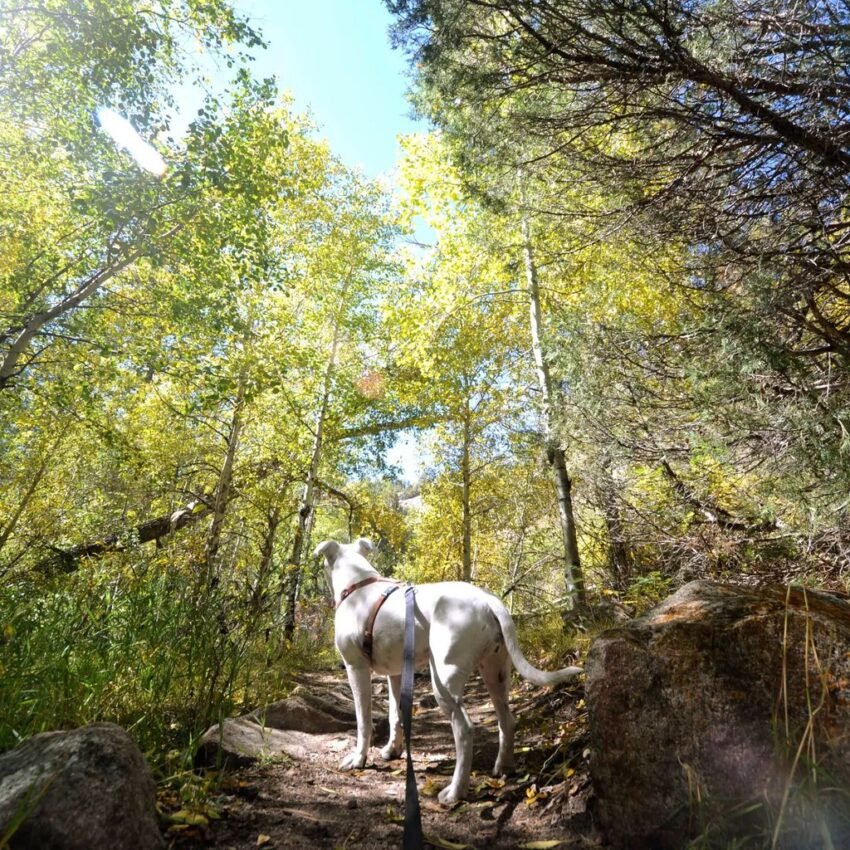
And bring the dog. The park allows leashed dogs (6 ft max), and they were everywhere. Marker 1 sits right on the bank of the Chattahoochee: shallow water, happy dogs. Sam would have loved it, but he’s gotten too old for the rooty part of the trail.

There are markers on the trails to help hikers navigate, so although the trails meander, it’s easy to find your way.

A few spots worth stopping for:

EP-1: The river bank where the dogs swim and splash while everyone else takes a breather on the shore. If you have a dog, they will not let you walk past this one.

EP-5: A rock outcropping above the Chattahoochee with a view worth sitting down for. Good picnic spot.

EP-10 to EP-14: Somewhere between these two markers you’ll hit Poppi’s Point: an overlook with skyline views of Atlanta and the river rushing below. Bring your camera. Or your easel. No judgment either way.

Here are a few places you don’t want to miss.

EP-1 – A watery dog park where the fur babies can swim and splash with each other as their parents chill out on the beach.

EP 5 – A beautiful rock outcropping overlooking the rushing Chattahoochee. This is a perfect spot for a picnic.

Between EP-10 & EP14 – Between these points, you’ll find beautiful views of Atlanta. Bring your camera (or your easel and paints) to capture the scene from Poppi’s Point, an overlook where you can see the tall buildings nearby, as well as a bird’s eye view of the rushing water below.

Marker E-26 is where the bamboo forest is.

Here’s the route that I took:

Followed the road and on the left side you’ll see the trail that will take you to marker EP 21. From there I took it to EP

An old mill at EP 16 is really neat to check out.

Some Travel Tips

  • Wear shoes you don’t mind getting dirty: the trails can get muddy, and skip it altogether after heavy rain. Comfortable footwear matters more than you think on elevation.
  • Don’t hike alone if you can help it.
  • Stay on the trail. Charge your phone. Bring water. These should be obvious you know people can be people sometimes.
  • Be honest with yourself about what you can handle before you start. Remember I took the quicker route and took my time.
  • The weekends will be busy and they will tow you.
Dog-Friendly Trails With Waterfalls In North Georgia

Dog-Friendly Trails With Waterfalls In North Georgia

Stretch your legs and explore some of North Georgia’s breathtaking waterfalls with your furry best friend. These dog-friendly trails are perfect for adventure-loving pups and their humans.

Pet safety is always a top priority when hitting the trails with your pup. Make sure they are up-to-date on all vaccinations, have their identification tags on, and are leashed at all times. There are also areas along the trail where dogs are not allowed due to steep drop-offs or dangerous terrain. Always be aware of your surroundings and keep an eye on your pup’s behavior.

Amicalola Falls Trail in Amicalola Falls State Park

If you’re looking for a dog-friendly trail with stunning waterfalls, check out the Amicalola Falls Trail! This gem of a hike boasts one of the highest waterfalls in Georgia and is perfect for adventure-seeking pup parents. The trail difficulty ranges from moderate to strenuous, so be sure you’re up to the challenge and bring plenty of water and snacks for both you and your furry friend.

This trail has about 600 metal steps, so either carry your dog or put on booties. There are other trails in the park that don’t have the steps if that is more your speed. 

Category Feature
Distance 3.5 miles round trip
Difficulty Moderate
Features Waterfall, cabins, camping, picnic areas
Dogs allowed? Yes, on a leash
Parking fee yes 

The Appalachian Trail officially starts here. Amicalola Falls Trail is located in the Chattahoochee National Forest and features a stunning 729-foot waterfall, making it the tallest cascading waterfall in the Southeast. There are plenty of opportunities for panoramic views and photo ops so don’t forget your camera. I find the best time to go is during fall when the leaves are changing color or in the winter when your view isn’t obstructed. 

As you make your way up the 600+ stairs to the top of Amicalola Falls, take a moment to soak in the beauty of nature surrounding you. You’ll see lush forests, babbling creeks, and maybe even some wildlife along the way. Once you reach the top, be prepared for breathtaking views that will leave you feeling accomplished and rejuvenated.

Take Your Dog to Panther Creek Falls Trail

xr:d:DAGCPeFaT6Y:16,j:2584364967767757043,t:24041222

You’ll love exploring Panther Creek Falls Trail – it’s a must-visit destination for nature enthusiasts!  This is a hidden gem that features multiple cascading falls that lead down to a serene swimming hole for after the long hike.

There is a spot that you will have to do some climbing, so be aware that your pup may need some assistance. When Sam and I went, we went with a group so that helped both of us get up there. I’m just short and need assistance from time to time.

As you hike through the lush forest, the sound of rushing water becomes louder and louder until you reach one of Georgia’s most stunning waterfalls. The 3.5-mile trail is moderately difficult, but well worth the effort. Plus, your furry friend will love splashing around in the swimming spots along the way.

There are also areas to camp along the way or at the end of the trail. 

Category Feature
Distance 7.4 miles round trip
Difficulty Moderate
Features Waterfalls, swimming spots, picnic areas
Dogs allowed? Yes, on a leash
Parking fee None

As you make your way down to Panther Creek Falls, take some time to explore the surrounding area. There are plenty of picnic areas where you can stop and enjoy a meal with your pup by your side. And if you’re feeling adventurous, take a dip in one of the refreshing swimming spots!

Hike Raven Cliff Falls Trail in North Georgia

xr:d:DAGCPeFaT6Y:16,j:2584364967767757043,t:24041222

Get ready to experience the breathtaking beauty of Raven Cliff Falls Trail, a must-see destination for any nature lover. This trail is located in White County and boasts one of the most stunning waterfalls in Georgia. The trail stretches for about 5 miles round trip and offers a moderate hike that will challenge both you and your furry friend.

This trail to me is one of the easiest but still beautiful. At the beginning of the trail, there are plenty of areas to setup camp for a few days.

Category Feature
Distance 5 miles round trip
Difficulty Moderate
Features Waterfalls, primitive camping, picnic areas
Dogs allowed? Yes, on a leash
Parking fee Yes

The trail difficulty is rated moderate because it has some steep inclines and declines, but don’t let that discourage you from exploring this amazing natural wonder. Your four-legged companion will love the adventure as much as you do, especially when you reach the falls. There are several spots along the way where you can stop and enjoy the scenery.

The best times to visit Raven Cliff Falls Trail are during spring and fall when temperatures are mild, and foliage colors are at their peak. Summers are hot, so make sure to bring plenty of water for yourself and your dog. Winter can be chilly, but seeing the falls frozen over is truly magical.

Tallulah Gorge State Park has Beautiful Trails in Georgia

xr:d:DAGCPeFaT6Y:16,j:2584364967767757043,t:24041222

When heading to Tallulah Gorge State Park, be sure to bring your camera to capture the stunning views of the canyon. The park is home to several waterfalls, including Hurricane Falls and Oceana Falls, which are a must-see. Take your furry friend on a hike along the rim. There is another way down 

For an adrenaline-filled adventure, cross the suspension bridge that spans 80 feet over the gorge’s floor. You’ll feel like you’re walking on air as you take in breathtaking views of the river below. Don’t worry; your furry companion can join you too! Just keep them leashed for their safety.

If hiking isn’t your thing, you can still enjoy the beauty of Tallulah Gorge from several overlooks dotted throughout the park. Be sure to stop by Jane Hurt Yarn Interpretive Center for more information about this natural wonder and its history.

Dog-Friendly Anna Ruby Falls Trail

xr:d:DAGCPeFaT6Y:16,j:2584364967767757043,t:24041222

Anna Ruby Falls Trail is a breathtaking hike that will leave you feeling like you’re walking through a fairytale forest. The trail is located in the Chattahoochee-Oconee National Forest and offers an easy 0.4-mile walk to the base of two stunning waterfalls. As you start your adventure, make sure to grab your camera because this trail provides some of the best opportunities for nature photography.

Anna Ruby Falls is roughly 5.7 miles north of Helen, GA. As far as driving with no traffic it’s just 15 minutes away.

Category Feature
Distance 0.9 round trip
Difficulty Moderate
Features Waterfalls, cabins, picnic areas
Dogs allowed? Yes, on a leash
Parking fee Yes

To help you capture those picture-perfect moments, here are some photography tips: first, bring a polarizing filter to reduce glare and enhance colors; second, use a tripod to stabilize your camera for long exposures; third, shoot during golden hour (the hour after sunrise or before sunset) for soft lighting and warm tones. With these techniques, your pictures will be sure to amaze all your friends and family!

As always when hiking with pets, pet safety should always be a top priority. Keep them on a leash at all times and bring plenty of water for both yourself and your furry friend. This trail can get crowded during peak season so it’s essential to keep control of your dog while enjoying the scenery.

Overall, Anna Ruby Falls Trail is an incredible experience that will leave you feeling refreshed and alive! So grab Fido, pack up the camera gear and head out on this unforgettable adventure today!

Cloudland Canyon

I haven’t been here in a few years, but this is 100% a must see. There are lots of stairs that lead down to the falls, so be sure to bring your pup’s shoes.

There is another way to get there that bypasses the stairs. I’ll share that hidden secret at a later time.

Conclusion

Congratulations! You’ve discovered some of the best dog-friendly trails with breathtaking waterfalls in Georgia. As you explore these stunning natural wonders, you’ll be immersed in a world of adventure and beauty that will leave you feeling alive and rejuvenated.

Imagine standing at the base of Amicalola Falls, feeling the cool mist on your face as your furry friend splashes around in the refreshing pool below. Or hiking along Panther Creek Falls Trail, surrounded by lush greenery and listening to the soothing sound of rushing water. And don’t forget about Raven Cliff Falls Trail, where you can marvel at the stunning 40-foot waterfall while your dog happily explores their surroundings.

As you make your way through Tallulah Gorge State Park or Anna Ruby Falls Trail, you’ll feel like you’ve entered another world entirely. The beauty of nature is truly awe-inspiring, and there’s nothing quite like experiencing it with your loyal canine companion by your side.

So go ahead and hit the trails – adventure awaits! These dog-friendly hikes offer some of the most stunning scenery in all of Georgia. Whether you’re looking for a challenging trek or just a leisurely stroll with Fido, these trails are sure to satisfy any nature-loving adventurer. So pack up your pooch and get ready to make some unforgettable memories amidst Georgia’s stunning waterfalls.

Can I Go Kayaking With My Dog?

Can I Go Kayaking With My Dog?

I don’t know, can you? If it’s your first time on the water yourself, then no. Only do it when you are confident in your paddling abilities.

But if you are confident, then absolutely yes. You’ll enjoy it just as much as they do.

Firstly, it’s essential to assess your dog’s temperament and fitness level. Not all dogs are suited for kayaking, so it’s important to make sure your pup is comfortable around water and physically capable of handling the activity. With the right preparation and equipment, you can make kayaking with your dog a memorable and bonding experience. So, grab your life jacket, pack some treats, and let’s get started!

Assess Your Dog’s Temperament and Fitness Level

You’ll want to assess your pup’s temperament and fitness level before hitting the water together. Assessing safety is crucial, and you need to make sure your dog is comfortable around water. If your furry friend gets nervous when near the water, then kayaking may not be the best activity for them. It’s essential to take small steps to prepare mentally before going on a kayaking trip. Take your dog to the water’s edge and let them get a feel for the surroundings.

Once your pup seems comfortable, it’s time to assess their fitness level. Kayaking can be a strenuous activity, so you’ll want to make sure your dog can handle the physical demands. Start with short trips, and gradually increase the length of your journey. Be attentive to your dog’s behavior and signs of fatigue. If your furry friend is panting excessively or seems tired, then it’s time to head back to shore.

If your dog is anxious or not physically fit, then it’s best to skip kayaking altogether. However, if your pup is ready to hit the water, then it’s time to choose the right kayak and equipment. Remember, safety is paramount, so make sure your kayak has enough space for you and your dog. You’ll also need to invest in a life jacket for your furry friend. Once you’ve got the right gear, you and your dog will be ready to hit the water and make lasting memories.

Choose the Right Kayak and Equipment

Before hitting the water, make sure to select a kayak and gear that’s suitable for your furry friend. Choosing the right gear is crucial to ensure your dog’s safety and comfort during the kayaking trip. Here are three things to consider when selecting the right kayak and equipment for your dog:

  1. Size: Choose a kayak that is spacious enough to accommodate your dog comfortably. A sit-on-top kayak is a great option as it provides ample space for your dog to move around and enjoy the ride. Additionally, make sure to choose a life jacket that fits your dog’s size and weight.
  2. Stability: Opt for a kayak that is stable and easy to maneuver. This will ensure that your dog feels secure and doesn’t get scared or anxious during the trip. A wider kayak with a flat bottom is a good choice as it provides stability and balance.
  3. Kayaking with multiple dogs: If you plan to kayak with multiple dogs, make sure to choose a kayak that can accommodate all of them comfortably. A tandem kayak is a great option as it provides enough space for two or more dogs to sit comfortably.

Once you have selected the right kayak and gear, it’s time to hit the water with your furry friend. Remember to keep a close eye on your dog and make sure they are comfortable throughout the trip. In the next section, we will discuss how to teach your dog basic commands to ensure a safe and enjoyable kayaking experience.

Start with Short Trips

When taking your dog kayaking, start with short trips to ensure they are comfortable in the water and in the kayak. It’s important to remember that the experience can be overwhelming for your furry friend, especially if it’s their first time on a kayak. By starting with shorter trips, you can gradually introduce them to the experience and help them build up their confidence.

Here are some emotions that you may feel as you start kayaking with your dog:

  • Excitement: You’re thrilled to share this new experience with your furry friend and can’t wait to see how they react to the water.
  • Nervousness: You’re worried about how your dog will behave and whether they’ll be comfortable on the kayak.
  • Love: You’re filled with love for your pet and want to ensure that they have a great time on the water.

As you start with short trips, pay attention to your dog’s behavior and body language. Do they seem nervous or anxious? Are they shaking or whining? If so, it may be best to cut your trip short and gradually build up their tolerance to the water.

Remember that kayaking with your dog has many benefits, but there are also common safety concerns to consider. In the next section, we’ll discuss how to be mindful of your dog’s needs and ensure that they stay safe on the water.

Be Mindful of Your Dog’s Needs

When kayaking with your furry friend, it’s important to be mindful of their needs. Keep an eye out for signs of fatigue or discomfort, such as heavy panting or reluctance to continue. Make sure to provide frequent water and rest breaks to keep your pup hydrated and energized. Remember, a happy and healthy dog makes for a great kayaking companion!

Watch for Signs of Fatigue or Discomfort

Make sure you keep a close eye on your furry friend while kayaking and don’t ignore any signs of exhaustion or discomfort, as they can’t communicate their discomfort like humans can. Tips for recognizing when your dog needs a break on the water include heavy panting, excessive drooling, or a reluctance to move. Dogs are also susceptible to heatstroke, so it’s important to keep them cool and hydrated while kayaking. You can bring along a collapsible water bowl and plenty of fresh water for your pet to drink from. Additionally, consider investing in a dog-specific life jacket that will not only keep them afloat but also help them stay cool in the water.

It’s important to remember that your dog may not have the stamina for a long kayaking trip. Watch for signs of fatigue or discomfort, such as your dog constantly sitting down or refusing to move. When you notice these signs, provide frequent water and rest breaks. You can take a break on a nearby shore or simply pull your kayak to the side of the water and let your dog rest for a bit. Keep in mind that your dog’s safety and comfort should always be your top priority while kayaking together.

Provide Frequent Water and Rest Breaks

While kayaking with your dog, it’s important to keep a close eye on them for signs of fatigue or discomfort. But even with careful monitoring, your furry friend may still need some extra care during the trip. That’s why it’s essential to provide frequent water and rest breaks to keep your dog hydrated and energized throughout the adventure.

To make sure your dog stays safe and happy, here are some tips for providing hydration breaks and taking safety precautions while kayaking:

  • Bring plenty of water for both you and your dog, and offer it to them every 30 minutes or so.
  • Use a water bottle with a bowl attachment or bring a collapsible bowl so your dog can easily drink from it.
  • Give your dog a chance to rest and stretch their legs every hour or so by pulling up to a shore or beach area.

By taking these precautions, you’ll be able to keep your dog well-hydrated and comfortable during your kayaking adventure. And with your furry friend feeling refreshed and energized, you’ll be able to enjoy your time together on the water even more.

Enjoy Your Adventure Together

By bringing your furry friend along for the ride, you can have a whale of a time kayaking together. Not only will you enjoy the natural beauty of the water and scenery, but you’ll also get to share the experience with your pet. Tips for kayaking with your furry friend include finding calm waters, bringing a life jacket for your dog, and taking frequent water and rest breaks. The benefits of bonding with your dog on the water are numerous, including improved physical and mental health for both you and your pet.

As you paddle through the water, take the time to enjoy your adventure together. Your dog will likely be thrilled at the opportunity to be by your side, and you’ll get to see the world from a different perspective. Be sure to talk to your dog, pet them, and encourage them throughout your journey. This will help to build a stronger bond between you and your pet, which can lead to increased trust and loyalty.

One of the best things about kayaking with your dog is the chance to experience new things together. You’ll get to explore different waterways, discover hidden coves, and maybe even spot some wildlife. Your dog will love the new sights and smells, and you’ll enjoy the feeling of adventure and exploration. Just remember to always keep your pet’s safety in mind and be aware of any potential hazards on the water.

In the end, kayaking with your dog can be a truly unforgettable experience. Not only will you both get some much-needed exercise and fresh air, but you’ll also get to bond in a unique and exciting way. So grab your life jacket, pack some snacks, and hit the water with your furry best friend. Your adventure awaits!

Frequently Asked Questions

Can I bring multiple dogs kayaking with me?

Yes, it is possible to bring multiple dogs kayaking with you, but it requires careful planning and management of their behavior on the kayak. It’s important to make sure that each dog is comfortable with being on the water and wearing a life jacket before heading out. Make sure to bring plenty of water and treats for the dogs, as well as a non-slip mat or towel to prevent them from sliding around on the kayak. You’ll also need to be aware of your dogs’ behavior and body language while on the water to ensure their safety and the safety of others. With proper preparation and management, kayaking with multiple dogs can be a fun and rewarding experience for both you and your furry companions.

What should I do if my dog falls out of the kayak?

Oh, you’re worried about your furry companion falling out of the kayak? How ironic, considering you were so eager to take them kayaking in the first place. But don’t worry, there are ways to prevent your dog from taking an unexpected swim. Make sure your dog is wearing a properly fitted life jacket, just like you. This will help keep them afloat and make them more visible in the water. Be sure to also secure them to the kayak with a leash or bungee cord to prevent them from jumping out. And if the worst happens and your dog falls out, have a rescue plan in place. Practice rescue techniques beforehand and keep a towel or blanket on hand to dry them off and warm them up quickly. Remember, kayaking with your dog can be a fun and rewarding experience, but their safety should always be a top priority.

Is it safe for my dog to drink the water while kayaking?

When it comes to water safety for dogs, it’s important to be cautious and aware of potential health concerns. While it may be tempting for your furry friend to drink the water while kayaking, it’s best to discourage this behavior. Depending on the body of water, there may be harmful bacteria or chemicals present that could cause your dog to become sick. Additionally, drinking too much water could lead to stomach upset or even water intoxication in extreme cases. It’s always a good idea to bring along fresh water for your dog to drink and encourage them to take breaks when needed. By prioritizing your dog’s health and safety on the water, you can ensure a fun and enjoyable kayaking experience for both you and your furry companion.

Do I need to bring extra supplies for my dog, such as food and water bowls?

Well, of course you don’t need to bring extra supplies for your dog. Who needs food or water anyway? Just let them drink from the river like they did the last time you went kayaking. Oh wait, that’s not a good idea at all. If you want to take your furry friend kayaking, it’s important to be prepared. Look for dog-friendly kayaking locations and make sure your pup is trained for kayaking. Bring along their own water and food bowls, as well as plenty of water for them to drink. It’s also a good idea to bring some treats and a leash in case they need to take a break or go to the bathroom. Remember, kayaking with your dog can be a fun and rewarding experience, as long as you are prepared and prioritize their safety and well-being.

Can my dog wear a life jacket while kayaking?

When it comes to dogs wearing life jackets while kayaking, there are a few things to keep in mind. First, you’ll need to decide whether you want to buy or rent a life jacket for your pup. If you plan on kayaking with your dog frequently, it’s probably worth investing in a high-quality life jacket that fits your dog well. However, if you only plan on taking your dog kayaking occasionally, renting a life jacket may be a more cost-effective option.

When it comes to training your dog to wear a life jacket, it’s important to take things slow and make the experience as positive as possible. Start by letting your dog sniff and investigate the life jacket before putting it on them. Once they’re comfortable with the jacket, put it on them for short periods of time and reward them with treats and praise. Gradually increase the amount of time your dog wears the jacket until they’re comfortable wearing it for the entire kayaking trip.

Overall, wearing a life jacket can be a great safety measure for dogs who love to kayak. Just remember to choose the right jacket for your dog and take the time to train them to wear it properly. With a little patience and practice, your dog will be ready to hit the water with you in no time.

Conclusion

Congratulations! You’ve made it to the end of our guide on taking your furry friend kayaking. By now, you should have a better understanding of how to assess your dog’s temperament and fitness level, choose the right kayak and equipment, teach basic commands, introduce your dog to the kayak, start with short trips, be mindful of your dog’s needs, and finally, enjoy your adventure together.

Just like my dog and I, kayaking with your furry friend can be a great adventure that strengthens your bond and creates lasting memories. So, don’t be afraid to give it a try! Remember to follow the steps we’ve outlined in this guide, and always prioritize your dog’s safety and well-being. With a little preparation and lots of love, you and your furry companion can enjoy many fun-filled kayaking trips together. Happy paddling!

Basic Guide to Kayaking With Your Dog

Basic Guide to Kayaking With Your Dog

Guide to Kayaking With Your Dog 

You love spending time on the water anyways, so why not with your furry best friend? Not only is it great exercise for you and your pup, but it allows you to explore nature from a unique perspective. 

Before you hit the waves, there are a few things you need to consider. First, you’ll want to make sure both you and your dog are comfortable around water. You’ll also need to prepare for possible challenges that may come up during your trip. With some training and safety precautions in place, kayaking with your dog can be a fun and rewarding experience for both of you.

 So grab your paddle, your pooch, and let’s get started!

Packing for Your Kayaking Adventure

Before you hit the water, it’s important to make sure you’ve got everything your pup needs for a fun and safe kayaking trip. Here’s a list of essential gear for your pup: 

ItemDescription
Life JacketA must-have safety item for anyone, including your dog, on the water.
Water BowlBring along something lightweight and collapsible
Collar and IDYour dog should have these on them anyways
LeashMake sure to have a sturdy leash that won’t break easily
TowelFor drying off a wet dogs after the trip and gives them their spot in the yak.
Water and SnacksYou get thirsty and hungry and so will your dog.
First AidThere are kits specific for dogs, or you can add items to your first aid kits. 
Dog BootiesFor inflatable kayaks and the depending on the terrain 

Also Consider :

  • Chew toys or treats for entertainment. Sam, doesn’t do the chew toy, but will gladly accept anything that I’m eating on our trips. 
  • Harness instead of a collar. I personally prefer a harness on Sam even out of the water, but I find it’s easier to a dog back onto the yak with a harness The plastic on the life jacket buckles can always break under the weight and a harness gives better support.

As you pack for your kayaking trip, remember that safety should always come first. 

As exciting as it is, don’t forget to pack your necessary gear as well. I once forgot the seat to my kayak and ended up having to rent one from the local outfitter. The night before, I had everything set by the front door, but just simply forgot it. Oops, as least I had everything else.

Dog-Friendly Kayaks

There really isn’t such a  thing as the best kayak for you and your dog. It’s going to depend on their size and what you are comfortable with. This is from my personal experience and what I have observed in the water to help you decide what will work best for you. 

I started with a tandem inflatable kayak and overall Sam, my kayaking dog, seems to really like it, since it absorbs all of the waves from passing boats, but it’s harder on me to paddle. Since it’s filled with air it’s just a big moving bed in his eyes and it took him no time to become comfortable on his water trip. On our first trip, I was afraid his nails could puncture the boat so I got him some booties. in all honesty, me laughing at him as he high stepped helped calm my nerves, which helped to keep him calm.

Since then, I’ve had multiple sit-on-top kayaks and he has plenty of room. I even have a tandem kayak and that gives us plenty of room, and even with another person in the front. 

If you have a small dog, a sit-in-kayak may work better, but I’ve seen medium to large dogs in them as well. It’s really going to depend on what you and your dog is comfortable with. Consider what your dog needs are and at the very least they will need a place to lay down.

I’ve seen a medium-sized dog standing on the front of a sit in kayak. The owner had a pad for them and the dog seemed to be enjoying themself laying in the sun. 

A tandem may the better option if you have a larger dog that is the size of a small person. A friend of mine bought a tandem specifically so her and her husband can take all their dogs on the water. Their largest dog, does not rule the root, the Chihuahua does. 

The size of your dog and you matters for a kayak. A large kayak might be a better option if you a tall person or if the combined weight is a over a certain weight. I can’t speak on this because I’m short and our combined weight can be that of one person. 

Training Your Dog for Kayaking

This isn’t a complete how to, just things to consider and some tips from my experience. I’m not an expert at this and I Sam didn’t start getting in a kayak until he was over 10 years old. Each dog is going to be different.

Training your dog for kayaking can take some time, but it’s worth the effort to have a well-behaved and comfortable companion on the water. In my opinion the most important thing to remember is that your dog will feed off of you. If you are nervous, they will be nervous. Be confident and they will be confident. As you begin, you will need to reassure your dog more often. 

To get started, you’ll want to make sure your canine is comfortable around water and understands basic commands like ‘stay’ and ‘come’. Start off by introducing your dog to water in a controlled environment like a shallow river/creek or calm lake. Our first paddle was on a large lake and the water was calm. Gradually increase the depth of the water and allow them to swim freely. Personally, my dog doesn’t like to swim and will always want to feel his feet touch the bottom. Boxers are naturally land lovers, but he will hop in the kayak because he is ready to go. 

Once your pup is comfortable with swimming or at least being around water, start training them for kayaking. Allow them to smell the kayak and see you around it. Give them treats as they are getting use to it for positive reinforcement. Place a towel or something similar so they associate their spot in the boat.

I’ve read to get your dog use to kayaking to get in and out on dry land and simulate paddling. I’m not a fan of this idea and didn’t do that with Sam. If you’re on dry land and are replicating paddling, your kayak will rock and will not move like it would in the water. From personal experience and on our first trip, I let Sam smell it and get use to it. I got in the kayak first and had to physically get him in and get into deeper water to float. He was nervous, but over time he became use to it. 

Training techniques for kayaking include teaching your dog how to balance themselves on the kayak without falling off, remaining still when necessary, and following basic commands while onboard. Consistent training with positive reinforcement will be key in overcoming these challenges. 9 times out of 10, when I kayak, Sam is with me. There have only been a handful of times when he wasn’t with me.

Behavioral challenges may arise during this process, such as barking or jumping out of excitement. The biggest issue that I have had with Sam, is him moving. Sometimes, it’ll take him longer to get comfortable in “his spot” especially when I forget to bring a towel for him to lay on. When he is like this, I have to verbally reinforce that he is fine. Typically, I’ll move him closer to me so he’ll have his head on my lap.

Always prioritize safety while kayaking with your dog – we’ll cover some tips for doing just that in our next section about safety tips for kayaking with your pet.

Kayak with Your Dog Safely

When kayaking with your furry companion, it’s important to keep safety in mind. Be aware of the weather and water conditions before heading out on your adventure. Follow safe kayaking practices such as wearing a life vest and staying alert while paddling. And finally, prepare for emergencies by bringing necessary equipment such as a first aid kit and a whistle to signal for help if needed. By being mindful of these points, you can ensure a fun and safe experience for both you and your dog on the water.

Big note here, please do not attach your dog’s leash to the kayak. If it tips for some reason, the dog can be trapped underneath or get taken away with the current. Think about it, you don’t attach yourself to the kayak, why would you do it to your dog. 

Paddling with Dogs

Kayaking with a dog does take some getting use to, but be aware that paddling with your dog is going to be different than when it’s just you. For me, when Same lays close to me and rests his head on my lap, I have to paddle higher because he is in the way. A fellow kayaker puts her dog behind her when their on the water, so she’s not in the way of her paddling.

If your dog becomes nervous and moves, you will need to counteract their weight so you don’t tip. I had to do this more when Sam was getting use to kayaking with me. His movements became noticeably less after about the third to fifth outing.

You will eventually tip. Sam and I have several times, it’s just going to happen. The first time it happened, Sam’s feet couldn’t but I could and their was a decent current. His first reaction was to swim towards me, but he would have never made it to me as his swimming was keeping him in place in the current. I had to grad him and since it was the first time, he was scared. 

On another time, neither one of us could reach and again, he was trying to grab a hold of me as I was trying to get in the kayak. I had to physically push him off of me a few times before he decided to swim to shore instead. 

On both occasions, he was wearing his life jacket and it helped him stay afloat. Dogs can swim, but they can also get knocked out and drown. 

Staying Aware of Weather and Water Conditions

No matter what you should pay attention to the weather and water conditions while kayaking so that you both can have a safe and enjoyable experience. Here are three things to keep in mind:

  1. Check the weather: Before heading out, make sure to check the weather forecast for your area. You don’t want to be caught off guard by sudden storms or high winds. If there’s a chance of inclement weather, it might be best to postpone the trip. You should be doing this anyways. 
  2. Understanding water currents: It’s important to know the strength and direction of the current before getting into the water with your dog. Strong currents can make it difficult to paddle and can pose a danger if you get swept away. Make sure you understand how currents work in order to avoid any potential hazards.
  3. Being prepared: Always carry safety gear like life jackets for both yourself and your pup, as well as a whistle or other signaling device in case of emergency. Bring along plenty of fresh water for both you and your furry companion, especially on hot days. Carrying a dog, no matter their weight, is never fun.

By keeping these tips in mind, you’ll be better equipped to handle whatever Mother Nature throws your way while kayaking with your dog. Next up, let’s talk about following safe kayaking practices without sacrificing fun!

Following Safe Kayaking Practices

Make sure you’re practicing safe techniques while out on the water to ensure a fun and secure experience for both yourself and your furry companion. Proper supervision of your dog is crucial, as well as having an emergency response plan in case anything goes wrong.

To help you stay safe while kayaking with your dog, here are some important tips to keep in mind:

Safe Kayaking PracticesWhy it’s ImportantTips
Wear a life jacket at all timesTo stay afloat in case of an accident or capsize.Make sure to have a properly fitting life jacket for both you and your dog.
Keep hands on the paddle at all timesTo maintain control of the kayak and avoid capsizing.Avoid using your phone or other distractions while on the water.

Following these safe kayaking practices will not only ensure a positive experience for you and your furry friend but also give you peace of mind knowing that you are prepared for any situation that may arise. In case of an emergency, it’s important to know how to react quickly and effectively, so let’s take a look at how to prepare for emergencies while kayaking with your dog.

Preparing for Emergencies

To ensure a safe and enjoyable kayaking experience with your furry companion, it’s important to be prepared for emergencies. This means having first aid supplies and emergency equipment on board, such as a whistle and flashlight. Make sure you have enough drinking water and food for both you and your dog in case of an unexpected delay or emergency.

Communication is also key in case of an emergency. Bring a fully charged cell phone to call for help if needed. It’s also important to have a rescue plan in place before hitting the water. Let someone know where you are going and when you plan on returning so they can alert authorities if necessary. By prepared for emergencies ahead of time so you can enjoy your kayaking adventure with peace of mind knowing that you’re ready for anything that may come your way.

Now that you’re prepared for any potential emergencies while kayaking with your dog, let’s move onto the next step: enjoying the adventure together!

Enjoying the Adventure with Your Dog

As you paddle down the river, your furry companion happily splashes around beside you, adding an extra level of excitement to your kayaking adventure. You can’t help but feel grateful for this moment of freedom and the opportunity to bond with your dog on the water. To fully enjoy this experience, it’s important to choose gear that will keep both you and your pup safe and comfortable. Look for a life jacket specifically designed for dogs, as well as a leash that attaches securely to your kayak.

When selecting a dog-friendly kayaking spot, consider factors such as calm waters, easy entry points, and areas without heavy boat traffic. It’s also important to be mindful of any hazards in the area that could pose a danger to your pet. Once you’ve found the perfect location, take some time to acclimate your dog to being on the water before launching into full-blown kayaking mode. Start by letting them explore the kayak while it’s stationary before gradually easing into paddling.

As you navigate through the water with your four-legged friend by your side, remember to stay alert and aware of any changes in conditions or potential dangers ahead. Keep communication clear between yourself and anyone else in your group so everyone can have a fun and safe time together. Above all else, savor these moments of joy and connection with your loyal companion.

As much as you may not want this adventure to end, eventually it will be time to head back home. But don’t worry – there are still plenty of ways to keep enjoying quality time with your furry friend after leaving the water behind. Whether it’s taking a leisurely walk along a scenic trail or simply snuggling up together at home with some treats and belly rubs, cherish every moment spent together as best friends on land just as much as on water.

After Your Kayaking Adventure

Now that you and your furry friend have finished your kayaking adventure, it’s time to take care of some post-adventure tasks. First up is cleaning your gear and equipment to keep them in good condition for future trips. Don’t forget to also provide post-adventure care for your dog, such as giving them water, a snack, and a good rest. Lastly, start planning your next kayaking trip with your dog so you can continue exploring the great outdoors together!

Cleaning Your Gear and Equipment

After a long day of kayaking with your furry friend, it’s crucial to give your gear and equipment a thorough cleaning to ensure they stay in top-notch condition. Proper storage and drying techniques are key to maintaining the longevity of your gear. Before storing away your kayak, rinse off any sand or debris that may have accumulated during the adventure. Use fresh water to thoroughly wash down the kayak, paddles, life jackets, and spray skirts.

To dry everything out, find a shaded area where there is good ventilation. Avoid direct sunlight as it can cause damage or fading on some materials. Hang up the life jackets to air dry completely before storing them away. For the kayak and paddles, make sure you wipe them down with a towel or rag to remove any excess moisture before putting them away. With proper cleaning and drying techniques, you’ll be able to enjoy many more kayaking adventures with your furry friend.

Now that you’ve taken care of your gear and equipment, it’s time to turn your attention towards providing post-adventure care for your dog.

Providing Post-Adventure Care for Your Dog

Don’t neglect your furry companion’s well-being after a day of outdoor fun – proper post-adventure care is essential to ensure they stay healthy and happy. Here are four things you can do to provide the best post-adventure care for your dog:

  1. Home remedies or professional care: Options for treating injuries – inspect your dog thoroughly for any cuts, scrapes, or bruises that may have occurred during your kayaking adventure. Treat minor injuries like you would yourself by applying an antibiotic ointment. For more severe injuries, seek professional veterinary care.
  2. Nutrition and hydration: Maintaining your dog’s health post-adventure – After a day of physical activity, make sure your dog has access to plenty of clean water to prevent dehydration. Provide them with nutritious food that will help repair their muscles and replenish energy stores. Even though your dog didn’t paddle, they still are drained. Sam always sleeps like a log on the way home, no matter how long the trip back home is. 
  3. Rest and relaxation: Your pup needs time to recover from their day out on the water just like you do! Make sure they have a comfortable place to rest and give them some peace and quiet so they can recharge their batteries.
  4. Post-activity grooming: To avoid skin irritation or infections, rinse off any saltwater or dirt accumulated on your dog’s fur after kayaking in fresh water. Brushing their coat also helps remove tangles, debris, and dead hair.

As important as it is to take great care of your pup after an adventure-filled day kayaking together, planning for the next one is just as crucial!

Planning Your Next Kayaking Trip with Your Dog

When you’re itching for some adventure, why not bring your furry best friend along on the next trip? Kayaking with your dog can be an incredibly bonding experience that allows both of you to get some exercise and fresh air. However, before you set off on your next kayaking expedition, it’s important to plan ahead and ensure that everything is in order for a safe and enjoyable outing.

Firstly, make sure to research dog-friendly kayaking locations in your area. Not all waterways allow dogs, so it’s crucial to check beforehand. Some popular options include lakes or calm rivers with designated areas for paddling with pets. Once you’ve found a suitable location, it’s time to pack essentials for your dog on a kayaking trip. 

By following these tips and packing accordingly, you can enjoy a fantastic day out on the water with your furry companion by your side.

Conclusion

Congratulations, you did it! You and your furry friend have successfully completed a kayaking adventure together. Wasn’t it amazing? You both had a blast paddling through the water, feeling the breeze on your faces, and taking in the beautiful scenery around you. It was truly an unforgettable experience.

As you reflect back on your journey, remember all the hard work and preparation that went into making this adventure possible. From training your dog to getting all the necessary gear, every step was worth it for this incredible bonding experience with your pup. And let’s not forget about safety – always make sure to follow proper precautions when kayaking with your dog.

Now that you’ve conquered kayaking with your dog once, why not do it again? The possibilities are endless – try exploring different bodies of water or venturing out for longer trips. With practice and patience, you and your furry companion can become seasoned kayakers in no time. So get out there and create more memories together – after all, life is too short to miss out on adventures like these!