
Software and Technology
This page is the extended version of the technology section on my resume. Rather than just listing tool names, I want to give you a clearer picture of what each one does and how I actually use them.
Whether you're a business owner trying to understand what these tools mean for your project needs or a hiring manager evaluating experience: this should give you what you need.

I use AI where it makes sense, streamlining workflows, analyzing data, and brainstorming. I never use it with sensitive personal or professional information, and every output gets a human review. Efficiency matters, but judgment and strategy stay with people. Besides, AI can't drink coffee.
Technology By Category
(Click on a category button below to be taken directly to tech stack.)
AI tools I use include Claude, ChatGPT, Copilot, and built-in AI within programs.
Search and SEO

SEMrush
An all-in-one SEO and competitive research platform used by marketing professionals worldwide.
How I Use It
Keyword research, tracking search rankings, auditing websites, and analyzing what competitors are ranking for.

SpyFu
A competitor intelligence tool focused on paid and organic search data.
How I Use It
Identifying competitor keyword strategies and finding gaps to capitalize on in both SEO and PPC campaigns.
Screaming Frog
A website crawler that audits sites for technical SEO issues.
How I Use It
Diagnosing broken links, duplicate content, missing meta tags, and crawl errors that hurt search rankings.
Sitebulb
A visual website auditing tool that presents technical SEO data in easy-to-read reports.
How I Use It
Running in-depth site audits and presenting findings to clients who need a clear visual breakdown of issues.

Google Search Console
A free Google tool that shows how a website performs in organic search results.
How I Use It
Monitoring search impressions and click-through rates, identifying indexing issues, and finding keyword opportunities directly from Google's data.
Google Analytics and GA4
Google's free website analytics platform that tracks how visitors find and interact with a site.
How I Use It
Monitoring traffic sources, tracking goal completions and conversions, and identifying which pages and campaigns drive the best results.
Google Merchant Center
Google's platform for uploading and managing product data so it appears in Google Shopping and search results.
How I Use It
Setting up and maintaining product feeds, troubleshooting disapproved listings, and ensuring product data is accurate and optimized for Shopping campaigns.
Website and Content Management
(Back toTop)
Magento
An enterprise level eCommerce platform with deep customization capabilities
How I Use It
Working with complex store setups that require custom catalog structure, multi-store configurations, and DAM integrations.
BigCommerce
A dedicated eCommerce platform built for scaling online stores for small to medium sized businesses.
How I Use It
Managing storefronts, product data, and inegrations.
Nexternal
An order management and eCommerce platform used in specialty retail and direct-to-consumer sales.
How I Use It
Manging orders, customer data, and product content within established stores.
WordPress
This is the most widely used platform that powers over 40% of all the world's websites.
How I Use It
Building and managing websites, creating content, and installing plugins to extend functionality for businesses, clients and my own projects.
WooCommerce
An eCommerce extension for WordPress that turns a site into a full online store
How I Use It
Setting up product catalogs, payment systems, and shipping rules for businesses that sell online.
Shopify
A popular all-in-one eCommerce platform known for its ease of use and a large app ecosystem.
How I Use It
Building and optimizing stores, managing product listings, and setting up marketing integrations.
Paid Advertising (PPC)
Google Ads
The largest online advertising platform, placing ads in Google search results and across the web.
How I Use It
Building and managing search campaigns, writing ad copy, setting bid strategies, and optimizing for cost-per-lead or cost-per-sale goals.

Facebook Ads
Meta's advertising platform covering Facebook and Instagram placements.
How I Use It
Creating audience-targeted campaigns, running A/B tests on creative, and retargeting website visitors to drive conversions.
Email and Social Media
MailChimp
One of the most widely used email marketing platforms, known for ease of use and automation features.
How I Use It
Building email campaigns, setting up automated sequences, managing subscriber lists, and analyzing open and click rates.
MooSend
A cost-effective email marketing tool with strong automation and segmentation capabilities.
How I Use It
Running targeted campaigns and behavioral automations for clients who need more flexibility without a large platform cost.
Constant Contact
An email and online marketing platform popular with small businesses and nonprofits.
How I Use It
Managing contact lists, designing branded email templates, and reporting on campaign performance.
Buffer
A social media scheduling and analytics platform used to manage multiple accounts from one place.
How I Use It
Planning and scheduling content across platforms, monitoring engagement, and reviewing post performance over time.
LinkedIn, Facebook, Pinterest & Instagram
The major social platforms used for organic content, community building, and paid promotion.
How I Use It
Managing business profiles, creating and scheduling content, responding to engagement, and running platform-native ad campaigns.
Data, Reporting & Analytics
Power BI
Microsoft's business intelligence tool for building interactive dashboards and data visualizations.
How I Use It
Pulling data from multiple sources into a single dashboard so clients and stakeholders can see performance at a glance.

HotJar
A behavior analytics tool that records how visitors move through a website and where they click or drop off.
How I Use It
Identifying friction points in the user experience, informing A/B test ideas, and showing clients where their website is losing visitors.

Google Looker
Google's data visualization and business intelligence platform for building live reporting dashboards.
How I Use It
Creating custom reports that connect marketing performance data to business outcomes in a visual, shareable format.
CRM and ERP Systems

Epicor Prophet 21 & Acclaim
Distribution and manufacturing ERP systems used by wholesale and industrial businesses.
How I Use It
Working within these platforms to pull product and customer data that informs marketing decisions.
DDI Inform & Xsitra
Specialty ERP platforms used in distribution and field service industries.
How I Use It
Navigating and extracting business data to support reporting and campaign planning.
SAP
An enterprise-grade ERP platform used by large organizations to manage operations across departments.
How I Use It
Familiar with SAP environments and extracting relevant data to support marketing and business analysis.
Salesforce
The leading CRM platform used to manage customer relationships, sales pipelines, and marketing automation.
How I Use It
Tracking leads and contacts, building reports, and connecting marketing campaigns to sales outcomes.
Microsoft Dynamics
Microsoft's enterprise CRM and ERP suite, tightly integrated with the Office ecosystem.
How I Use It
Managing customer data and marketing activity within larger organizations already using Microsoft infrastructure.
QuickBooks
Small business accounting software used to track income, expenses, invoicing, and payroll.
How I Use It
Supporting financial reporting needs and staying familiar with tools clients use in day-to-day operations.
Creative and Design

Canva
A browser-and-app-based design tool that makes it easy to create on-brand visuals without advanced design software.
How I Use It
Creating quick social media graphics, presentations, and marketing templates: especially useful for collaborating with clients who manage their own content.
Microsoft Publisher
A desktop publishing tool for creating formatted marketing materials and documents, included in the Microsoft Office suite.
How I Use It
A cost-effective solution for updating product catalogs that were originally made with Publisher.
Adobe InDesign
A professional layout tool used for multi-page documents like brochures, catalogs, and reports.
How I Use It
Designing print and digital marketing materials that require precise layout control and typography.
Adobe Photoshop
The industry standard for photo editing and raster image creation.
How I Use It
Editing product photos, creating social media visuals, and preparing images for web and print use.
Adobe Illustrator
A vector graphics tool used to create logos, icons, and scalable illustrations.
How I Use It
Creating brand assets, infographics, and graphics that need to scale cleanly across different sizes and formats.

GIMP
A free, open-source image editor with capabilities comparable to professional paid software.
How I Use It
Adopted it as a cost-effective alternative to Photoshop and built automated batch workflows for in-house product photography: processing and standardizing large volumes of images without manual editing for each one.
Productivity and Collaboration
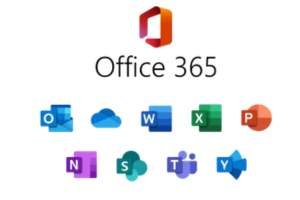
Microsoft Office Suite
The standard business productivity suite: Word, Excel, Outlook, PowerPoint, Access, Publisher, Power BI, SharePoint, and Teams
How I Use It
Day-to-day writing, data analysis, presentations, email, and collaboration across every type of organization.
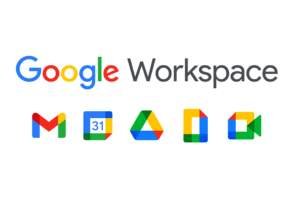
Google Workspace
Google's cloud-based productivity suite: Gmail, Docs, Sheets, Drive, and Meet.
How I Use It
Collaborating in real time with clients and teams, managing shared documents, and integrating with marketing and analytics tools.
Monday.com
How I Use It
Asana
How I Use It
Trello
How I Use It
ClickUp
How I Use It
Area of Marketing Expertise
Contact Cathy Gray
I work best where marketing, eCommerce, and operations overlap.
Whether you're hiring or need help with your business, I'd like to hear about it.
How Do Distributors Get Found Online By Buyers?
Distributors face a specific challenge: buyers are often searching for a product or brand they already know, not searching for "a distributor." Getting found means showing up at the exact moment a buyer is trying to source that product. Rank For The Products You...
Does SEO Work For Niche Industrial Products?
Yes, and often better than people expect. Niche industrial products actually have an advantage in SEO that broader consumer products don't: far less competition for the exact terms buyers are searching. Lower Search Volume Doesn't Mean Lower Value A niche industrial...
What Marketing Works For An Industrial Business?
Industrial marketing gets treated like an afterthought in a lot of companies, mostly because the industry has historically relied on relationships and referrals. That still matters, but buyers now research online long before making contact, and marketing has to meet...
How Do I Write Product Descriptions That Actually Sell?
Most product descriptions fail because they describe the product instead of answering the buyer's actual question: will this work for what I need. Fixing that shift changes how a description performs. Lead With The Answer, Not The Feature List Buyers scanning a...
What Social Media Platforms Work Best For eCommerce Marketing?
The right platform depends entirely on who you're actually selling to. There's no universal answer here, and the biggest mistake is picking a platform because it's popular instead of because your buyers are actually on it. For B2B And Industrial Audiences, LinkedIn...
What’s The Difference Between SEO And PPC For eCommerce?
These two get lumped together constantly, but they work in fundamentally different ways. Understanding the difference matters for deciding where to put time and budget. SEO Is Earned, PPC Is Rented SEO traffic comes from ranking organically in search results based on...
How Do I Run PPC Ads For An Industrial eCommerce Site?
PPC for industrial products works differently than consumer PPC, mostly because search volume is lower and buyer intent is more specific. Getting it right means adjusting your approach, not copying a retail playbook. Start With High-Intent Keywords, Not Broad Terms...
What’s The ROI Difference Between SEO And Paid Ads For eCommerce?
This question comes up constantly, and the honest answer is that SEO and paid ads aren't really competing for the same job. They pay off on different timelines, and comparing them head to head misses how they actually work together. Paid Ads: Fast, But Temporary PPC...
How Do I Improve Conversion Rate On My Industrial Online Store?
Conversion rate problems on industrial sites usually come down to friction: too many steps, missing information, or a site that doesn't answer the questions a buyer actually has. Fixing conversion rate is less about tricks and more about removing obstacles. Product...
What’s The Best Marketing Strategy For An Industrial eCommerce Store?
Industrial eCommerce marketing looks different from consumer marketing because the buyer looks different. Longer sales cycles, multiple decision makers, and purchases based on spec sheets instead of impulse. The strategy has to match that reality. Understand The...